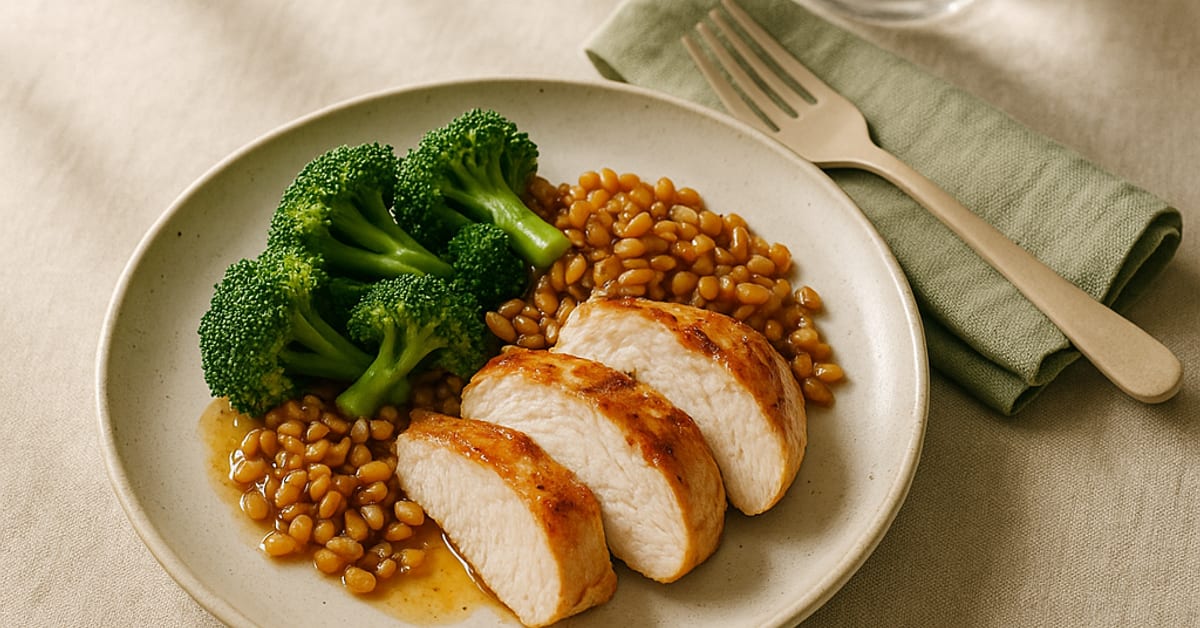
Why eating speed changes what your liver does next
The pace you eat at sends different hormonal signals to your liver. Here's what happens metabolically when food arrives fast versus slow.

The pace you eat at sends different hormonal signals to your liver. Here's what happens metabolically when food arrives fast versus slow.
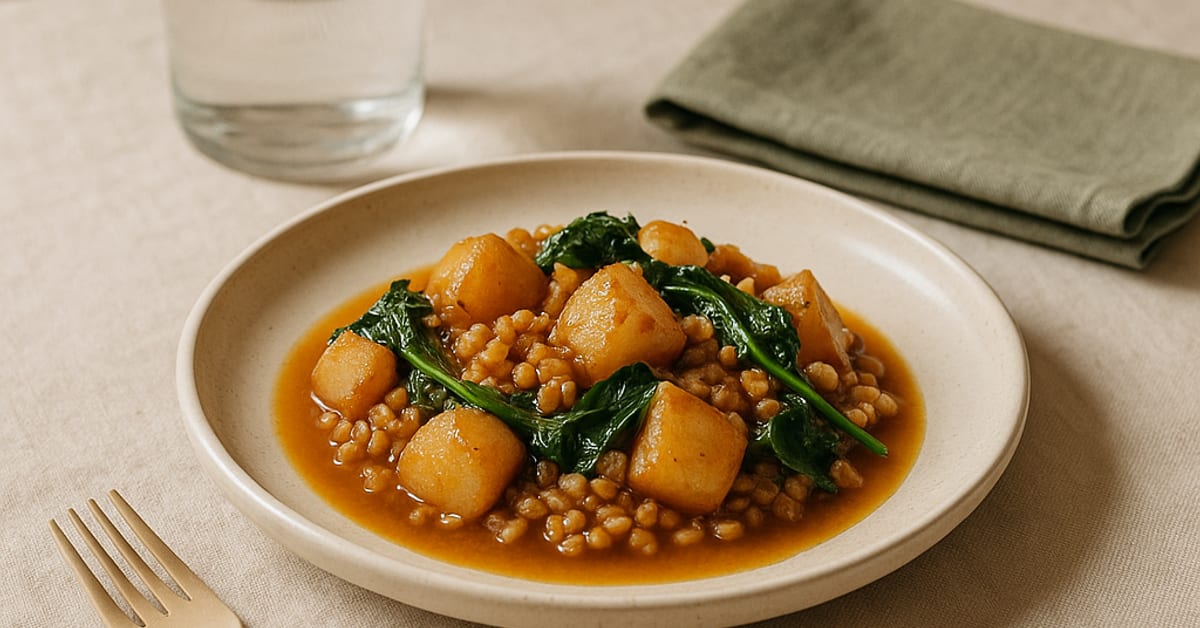
Temperature affects how satisfied you feel after eating. Here's the science behind warm food and satiety — and why it's not about metabolism myths.
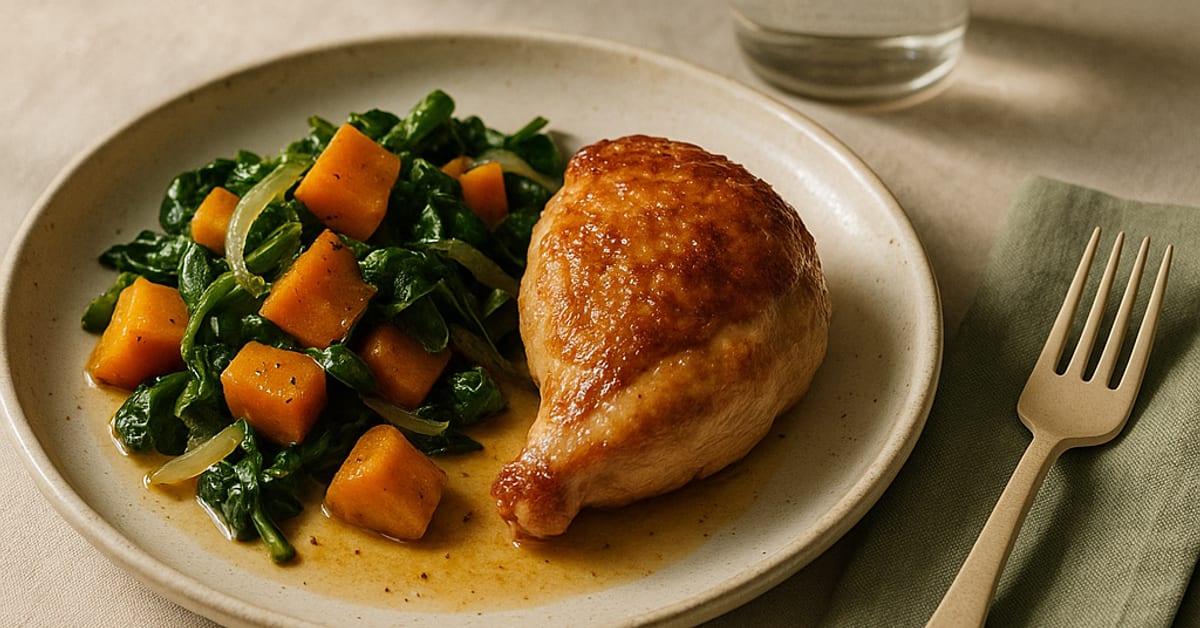
Eating in low light does more than set a mood. Here's the mechanism behind why dim environments quietly shift your food choices before you notice.
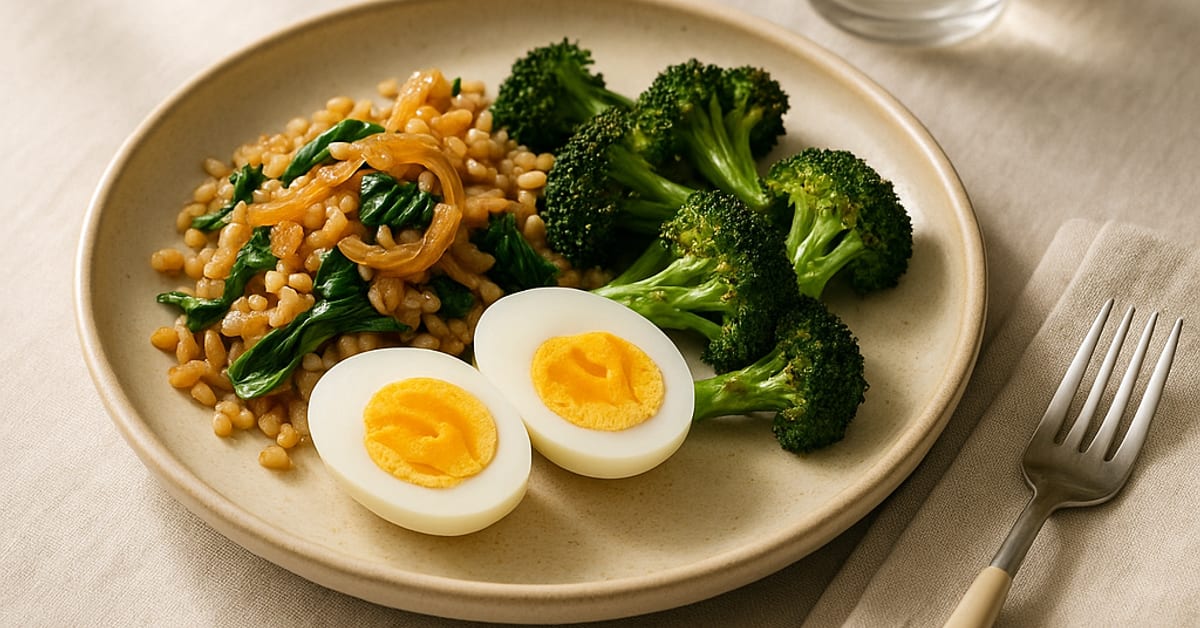
Your digestive system anticipates meals before they arrive. Here's how consistent meal timing works with your body's internal clock to improve digestion.
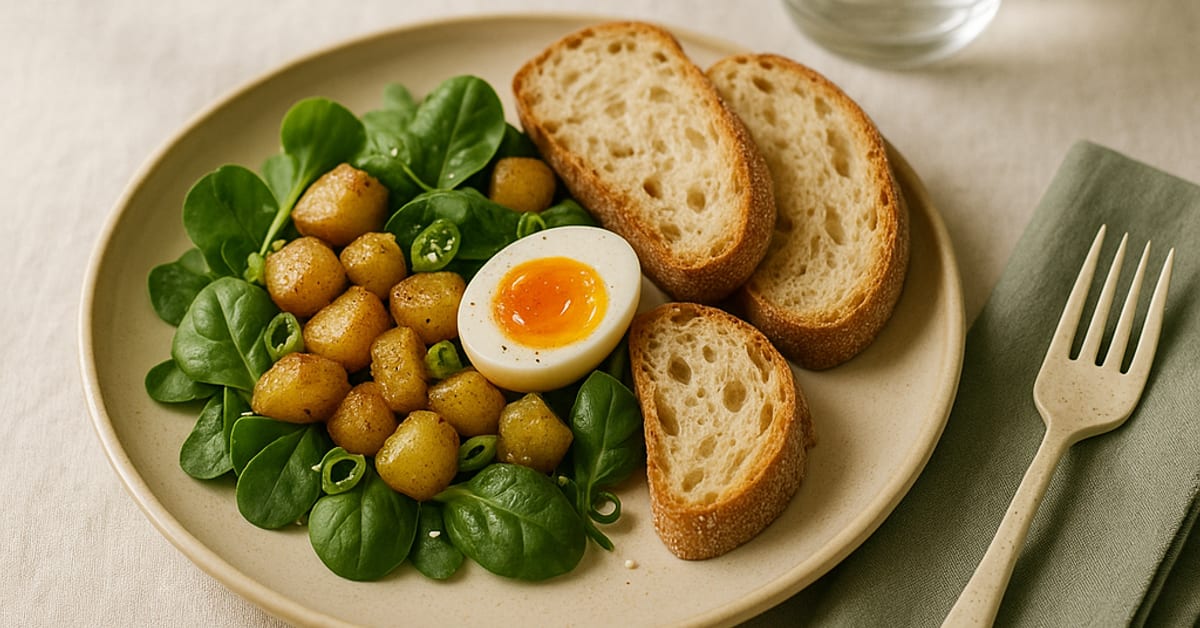
High sodium doesn't just make you thirsty — it can trigger a metabolic process that drives hunger hours later. Here's what's actually happening.

Bitter foods like dark greens and coffee temporarily shift how intensely you taste sweetness. Here's the mechanism behind flavor order and eating satisfaction.
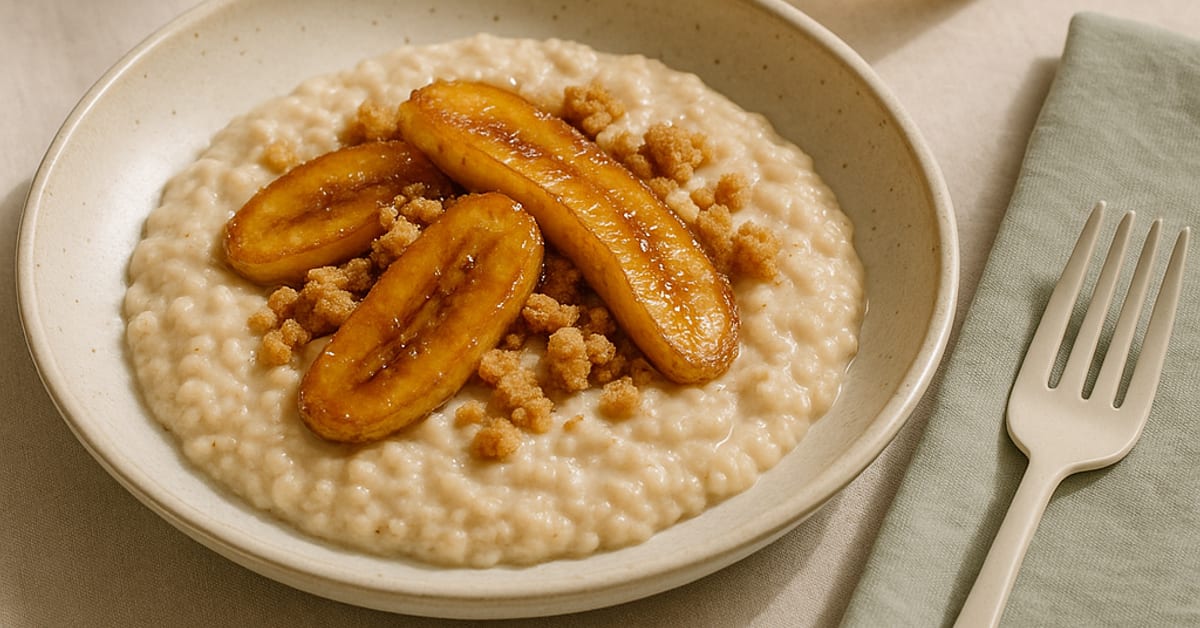
Poor sleep doesn't just make you tired — it shifts how your brain processes food reward signals. Here's the mechanism worth understanding.
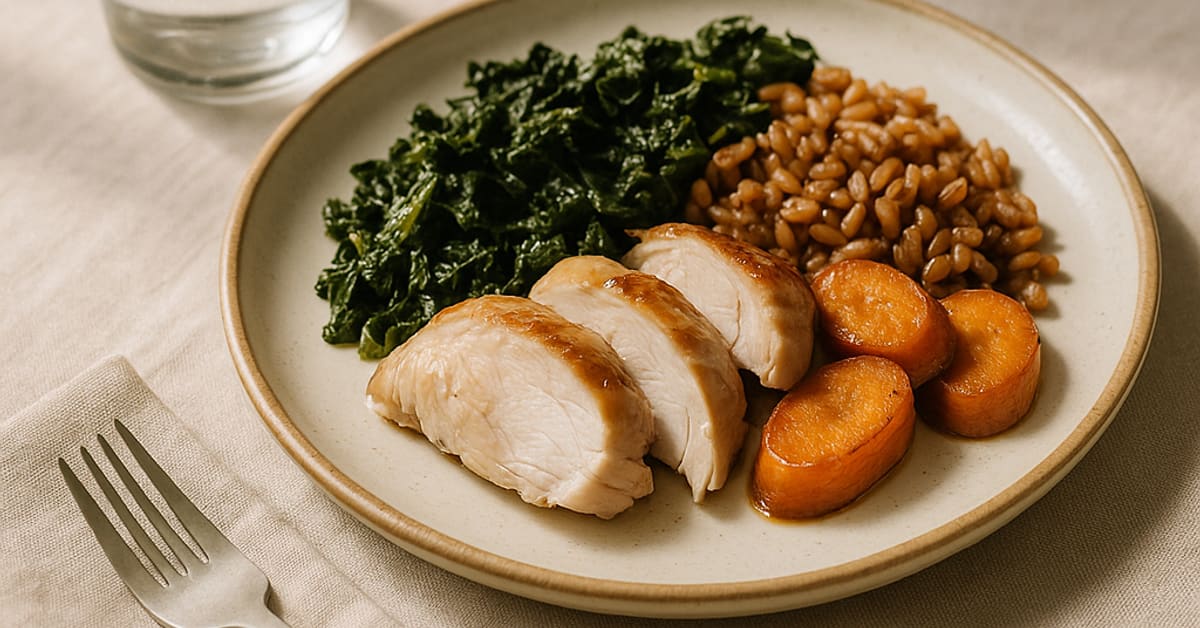
Your fullness signals take 15-20 minutes to reach your brain. Here's the gut-brain lag that makes eating pace more useful than willpower.
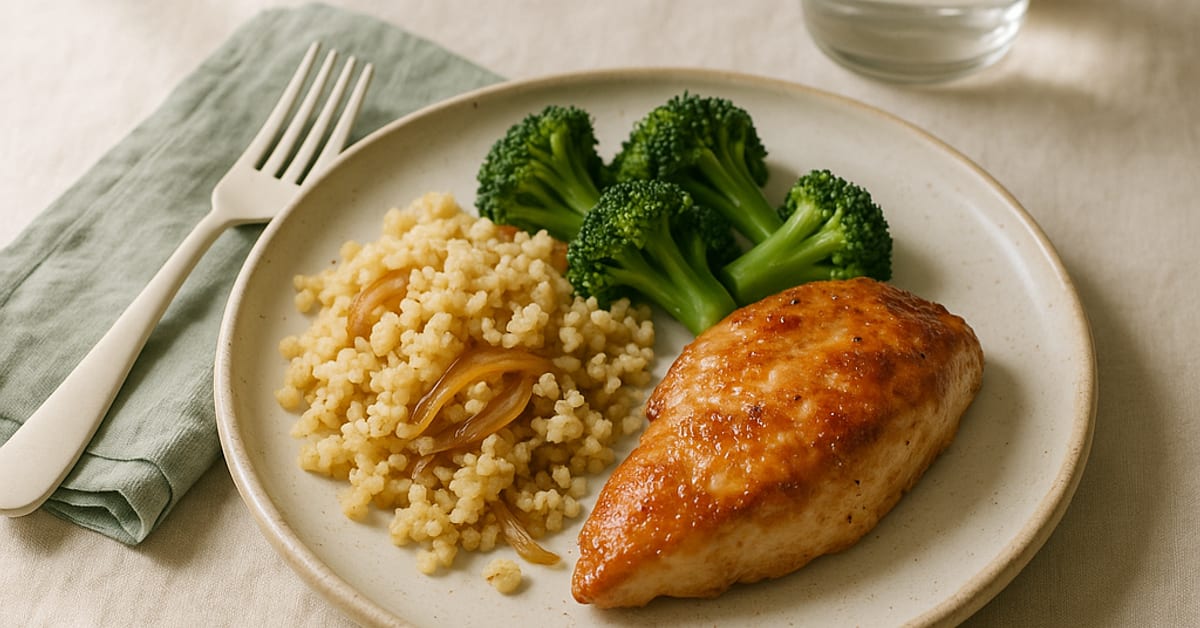
Eating alone doesn't just feel different — it changes your pace, your satiety signals, and how your body prepares to digest. Here's the physiology behind it.
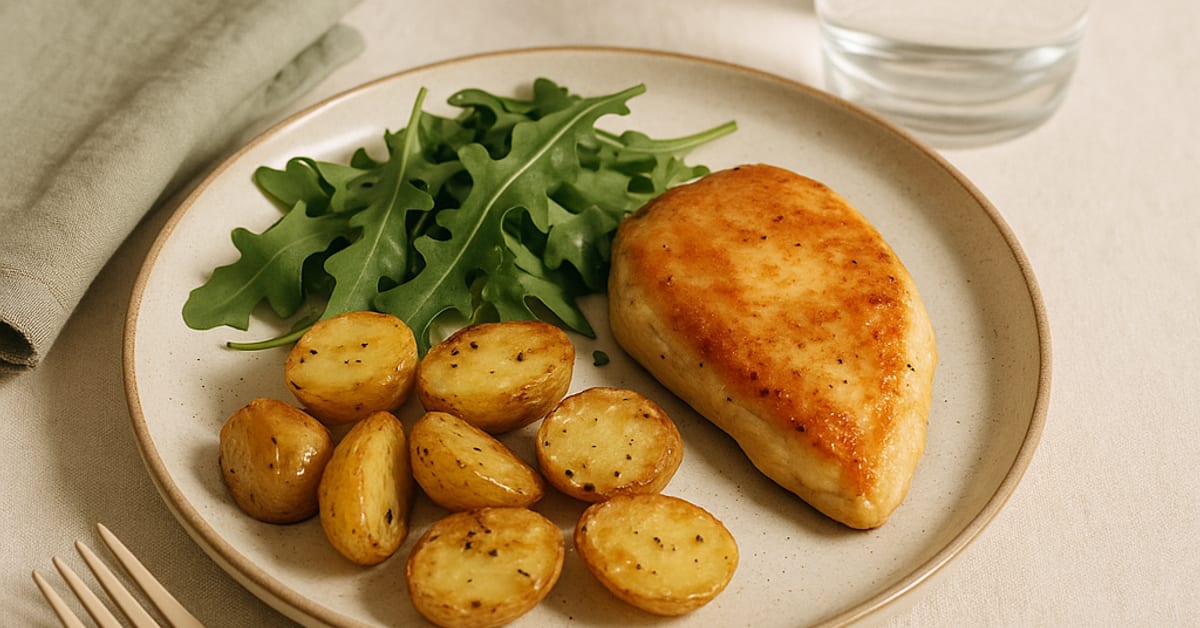
Drinking water with meals might affect how your stomach breaks down food. Here's what the science suggests about fluid timing and digestive chemistry.
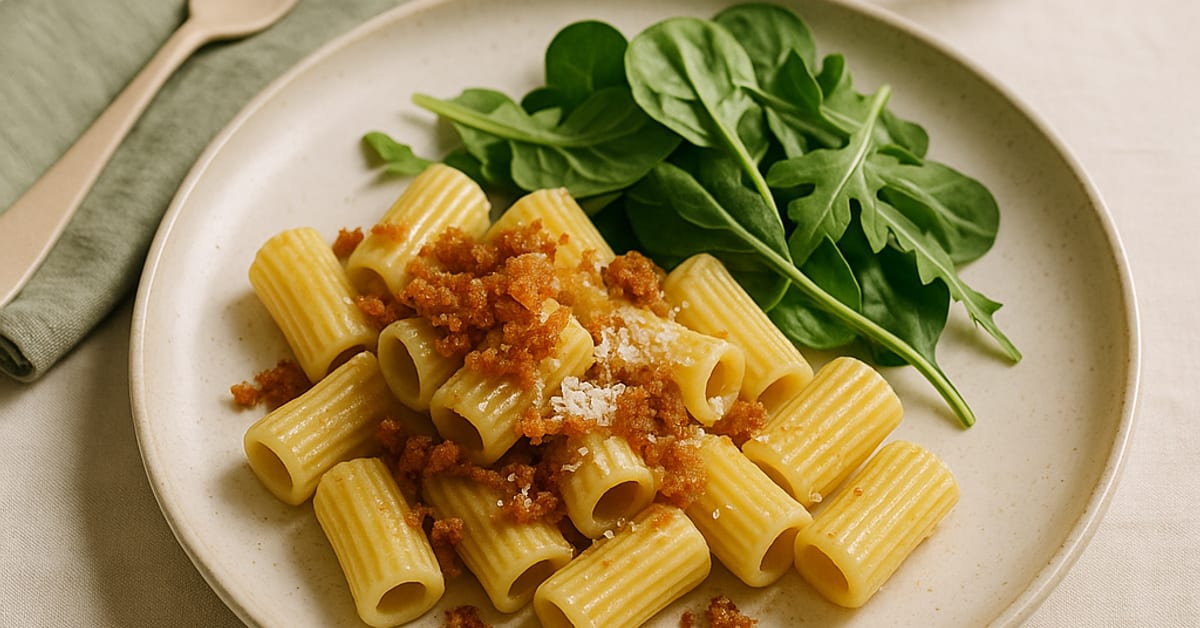
Two meals with the same calorie count can behave very differently in your body. Here's how food structure — not just food content — shapes energy absorption.
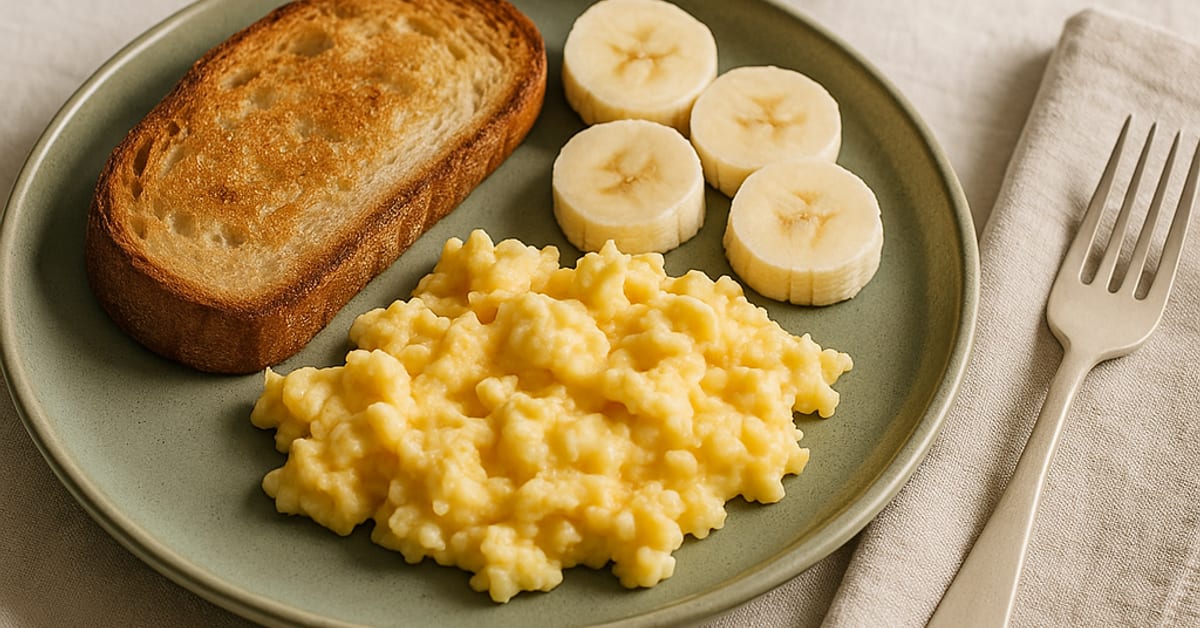
Eating the same breakfast daily may train your gut microbiome to extract more from it — and leave you less satisfied over time. Here's the science behind variety.