Why bitter foods change how sweet things taste
Bitter foods like dark greens and coffee temporarily shift how intensely you taste sweetness. Here's the mechanism behind flavor order and eating satisfaction.
Most of us treat our meals like a playlist shuffle — whatever's on the plate, in whatever order feels natural. But your taste receptors are paying close attention to sequence. Specifically, they're keeping score on bitterness, and that score quietly shapes how sweet the next bite registers.
This isn't a quirk or a placebo. It's a well-documented property of how taste systems adapt in real time. Understanding it doesn't require changing your diet. It just requires noticing something that was already happening.
How taste receptors actually work (they don't operate alone)
Taste perception is often described as if each flavor has its own isolated lane — sweet receptors for sweet, bitter for bitter, and so on. In practice, these systems talk to each other constantly in a process called cross-modal adaptation.
When you eat something bitter, your bitter-sensitive receptors (a large and genetically diverse family called T2R receptors) activate and send a signal. That signal doesn't just register "bitter" and move on. It temporarily adjusts the sensitivity baseline of neighboring receptor pathways, including the ones that read sweetness.
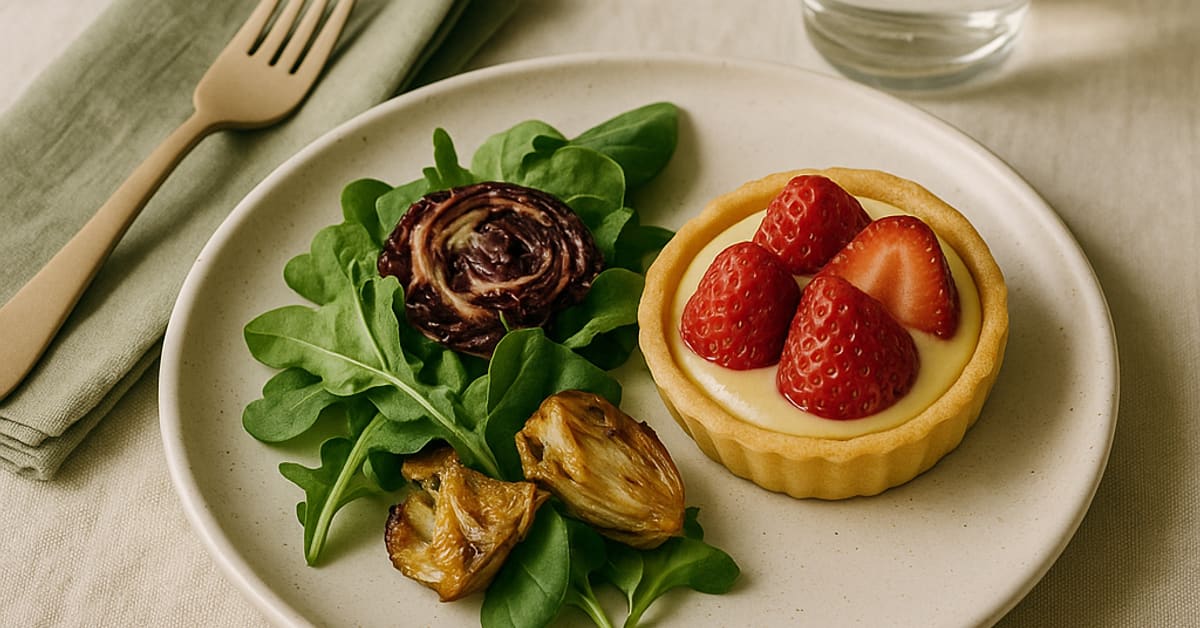
The practical result: after eating something with meaningful bitter compounds — arugula, radicchio, dark chocolate above 70%, black coffee — the sweet receptors that follow are, in a sense, freshly calibrated. A piece of fruit eaten after a bitter starter can taste noticeably more vivid and sweet than the same fruit eaten cold, on its own, after nothing.
This is why flavor sequencing shows up in culinary traditions that predate any understanding of receptor biology. Bitter aperitifs before a meal. Salads before dessert. Aged cheeses alongside fruit. These patterns weren't invented by food scientists. They emerged from centuries of noticing how meals felt.
The role of the gut — bitterness goes deeper than the tongue
Here's where it gets more interesting. T2R bitter receptors don't only exist on the tongue. They're present throughout the digestive tract, including in the cells lining the small intestine. And in that location, they do something the tongue-based receptors don't: they help trigger the release of satiety hormones, particularly GLP-1 (glucagon-like peptide-1) and CCK (cholecystokinin).
These hormones play a role in the signals your body uses to register fullness. When bitter compounds reach intestinal receptors — which happens as digestion progresses — there's evidence that this pathway contributes to the sensation of having had enough.
This is a meaningful distinction from sweetness, which tends to drive appetite signals in the opposite direction. Sweet flavors, especially from rapidly absorbed sources, are associated with wanting more. Bitter flavors, processed through that intestinal receptor pathway, are associated with the early edges of satiety.
None of this means eating bitter foods will produce a specific outcome for any individual. Bodies are variable and context-dependent. But mechanistically, bitterness is one of the more underestimated flavor signals in the eating experience — doing work well beyond its reputation as something to grit your teeth through.
Why the order of flavors in a meal matters more than we assume
Start a meal with sweetness — a sweetened drink, a piece of bread with jam, a syrupy sauce — and you've set a reference point. Everything that follows gets measured against that sweetness baseline. Bitter or savory elements that come after feel more intense, sometimes unpleasantly so. And the appetite signal, primed toward sweetness, tends to keep looking for it.
Start with bitterness, and the sequence inverts. The bitter compounds prime satiety pathways early. Sweet flavors that arrive later register with more contrast and intensity, so you often need less of them to feel satisfied by the experience.
This is part of why a meal that begins with a dressed arugula salad — peppery, slightly bitter from the leaves and the oil — often feels more complete at the end than a structurally similar meal that skipped that opening note. The difference isn't just psychological. There's a sequence of receptor activations and hormone signals underneath it.
Practically, this is worth experimenting with. If you usually eat a sweet breakfast and notice yourself reaching for more food an hour later, it's worth asking whether bitterness was present anywhere in that meal. Not as a rule. Just as a variable worth observing.
Foods worth knowing in this context
Not all bitter foods are the same in terms of the compounds responsible or how strongly they interact with T2R receptors. A few that show up consistently in the research and are easy to work with:
Dark leafy greens — arugula, radicchio, endive, dandelion greens. The bitterness here comes largely from phenolic compounds and glucosinolates. These are also the foods that people most commonly report "getting used to" over time, which reflects genuine receptor adaptation with repeated exposure.
Coffee — one of the most concentrated sources of bitter compounds in most people's daily eating. The bitterness is primarily from chlorogenic acids and caffeine. The intestinal receptor pathway is one reason black coffee is associated with appetite suppression in some people, though individual responses vary considerably.
Dark chocolate — the bitterness increases as cacao percentage rises, driven by flavanols and theobromine. A small amount of dark chocolate (70% or above) eaten before or after a meal interacts with the sweet-calibration dynamic more than milk chocolate does, since milk chocolate's sugar content largely overrides the bitter signal.
Citrus zest and pith — the pith of an orange or grapefruit is considerably more bitter than the flesh. Using zest in cooking introduces bitter aromatic compounds that can shift the flavor profile of a dish and interact with the receptor dynamics described above.
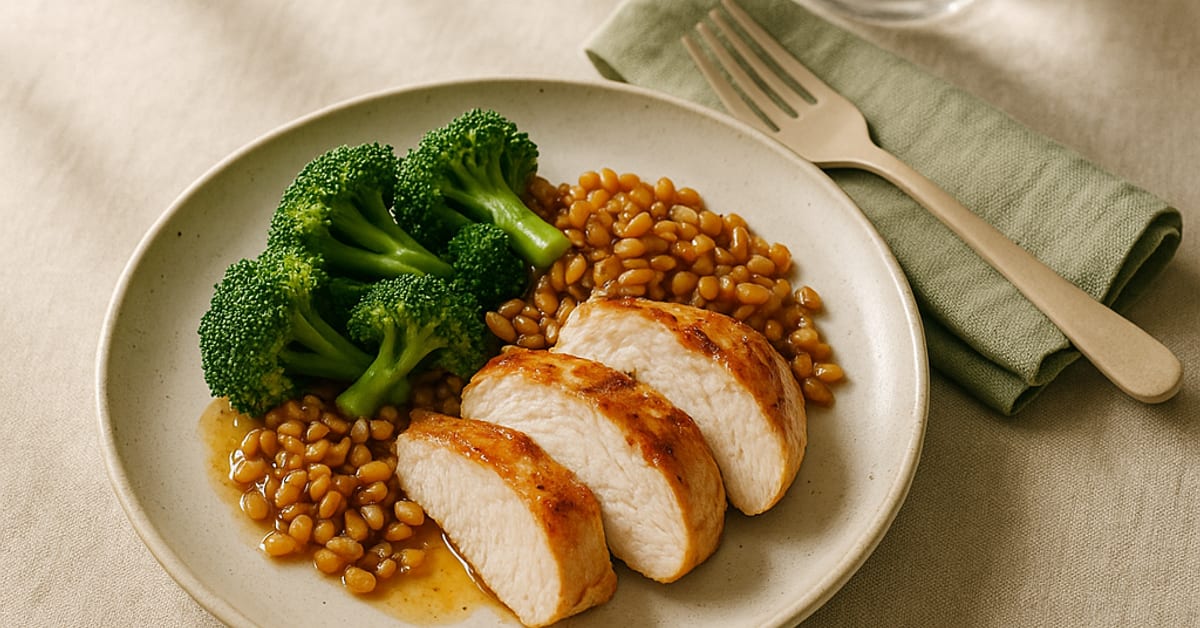
Cruciferous vegetables — broccoli, Brussels sprouts, cauliflower. Less intensely bitter than the greens above, but contributing similar glucosinolate compounds.
What this looks like as a practical habit
This isn't about forcing yourself to eat things you dislike or restructuring every meal around a theory. It's more about noticing an existing mechanism and giving it a chance to work.
One small experiment worth trying: before your next dinner, eat a small handful of arugula or radicchio with a little olive oil and salt. Nothing elaborate. Then eat the rest of your meal as you normally would and pay attention to how the sweeter elements — a sauce, a piece of fruit, a dessert — register in terms of intensity. Notice whether the meal feels complete earlier than usual, or whether the portions of sweet foods you reach for feel different.
You're not trying to eat less or change your body. You're running a small sensory experiment on yourself, which is actually one of the more interesting things you can do at a meal.
Flavor isn't a passive experience. It's a sequence of signals, each one shaping the one that follows. Bitterness, specifically, seems to set up conditions that make the rest of a meal more satisfying — not through willpower, but through the ordinary biology of how your taste and digestive systems read what you eat.
That's a mechanism worth understanding, regardless of what you decide to do with it.